Thursday, 22 November 2012

Cooking oil disposal

Cooking oil disposal


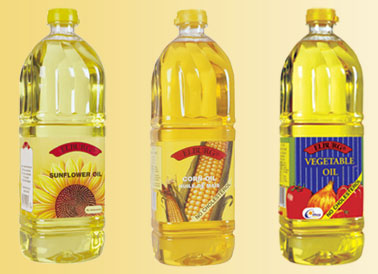
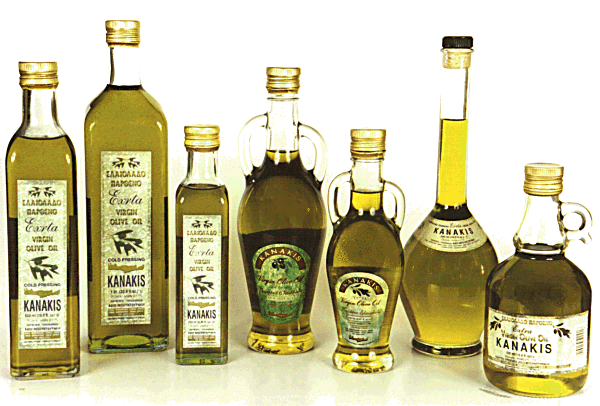
Cooking oil is plant, animal or synthetic fat used in frying, baking and other types of cooking. It is also used in food preparation and flavoring that doesn't involve heat, such as salad dressings and bread dips, and in this sense might be more accurately termed edible oil.

Cooking oil is typically a liquid, although some oils that contain saturated fat, such as coconut oil, palm oil and palm kernel oil, are solid at room temperature.
he appropriate amount of fat as a component of daily food consumption is the topic of some controversy. Some fat is required in the diet, and fat (in the form of oil) is also essential in many types of cooking. The FDA recommends that 30% or fewer of calories consumed daily should be from fat. Other nutritionists recommend that no more than 10% of a person's daily calories come from fat.In extremely cold environments, a diet that is up to two-thirds fat is acceptable and can, in fact, be critical to survival.

Cooking oil disposal


Cooking oil disposal


Cooking oil disposal


Cooking oil disposal


Cooking oil disposal


Cooking oil disposal


Cooking oil disposal


Cooking oil disposal


Cooking oil disposal


Types of cooking oil

Types of cooking oil


Lighter, more refined oils tend to have higher smoke points. Experience using an oil is generally a sufficiently reliable guide. Although outcomes of empirical tests are sensitive to the qualities of particular samples (brand, composition, refinement, process), the data below should be helpful in comparing the properties of different oils.
Smoking oil indicates a risk of combustion, and left unchecked can also set off a fire alarm. When using any cooking oil, should it begin to smoke, heat should be reduced immediately. Generally, one should be fully prepared to extinguish a burning oil fire before heating, typically by having on hand the lid to place on the pan, or (for the worst case) having on hand the proper fire extinguisher.
In contrast, saturated oils, such as coconut oil and palm oil, have much longer shelf lives and can be safely stored at room temperature. Their lack of polyunsaturated content causes them to be more stable.

Types of cooking oil


Types of cooking oil


Types of cooking oil


Types of cooking oil


Types of cooking oil


Types of cooking oil


Types of cooking oil


Types of cooking oil


Types of cooking oil